
Why Water Quality Testing Matters for Well Owners
Having an independent freshwater supply can give you peace of mind, but it’s essential to perform regular well water quality testing to ensure your family’s safety and well-being. Although water may appear and smell clean, it may contain invisible and odorless pollutants that are harmful.
In this article, we’ll share the importance of testing your well water quality, discuss some of the potential contaminants, and provide you with everything you need to know to keep your freshwater supply clean.
Why Is Water Quality Testing Important?
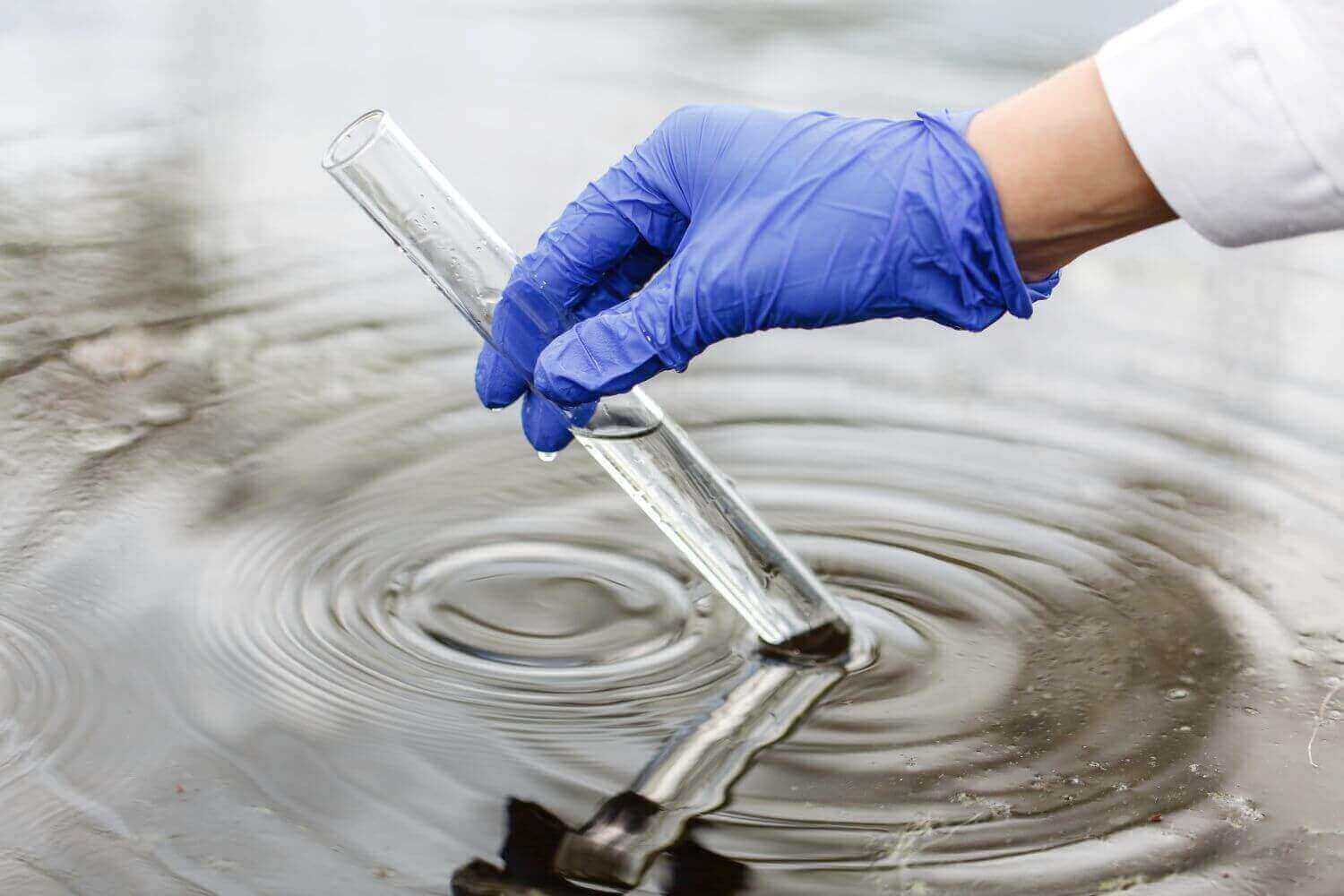
Regular water tests for well water are the only way to know what’s genuinely in your supply. A professional water well test helps you detect hidden contaminants early, protecting your family’s health and preventing costly plumbing or filtration issues.
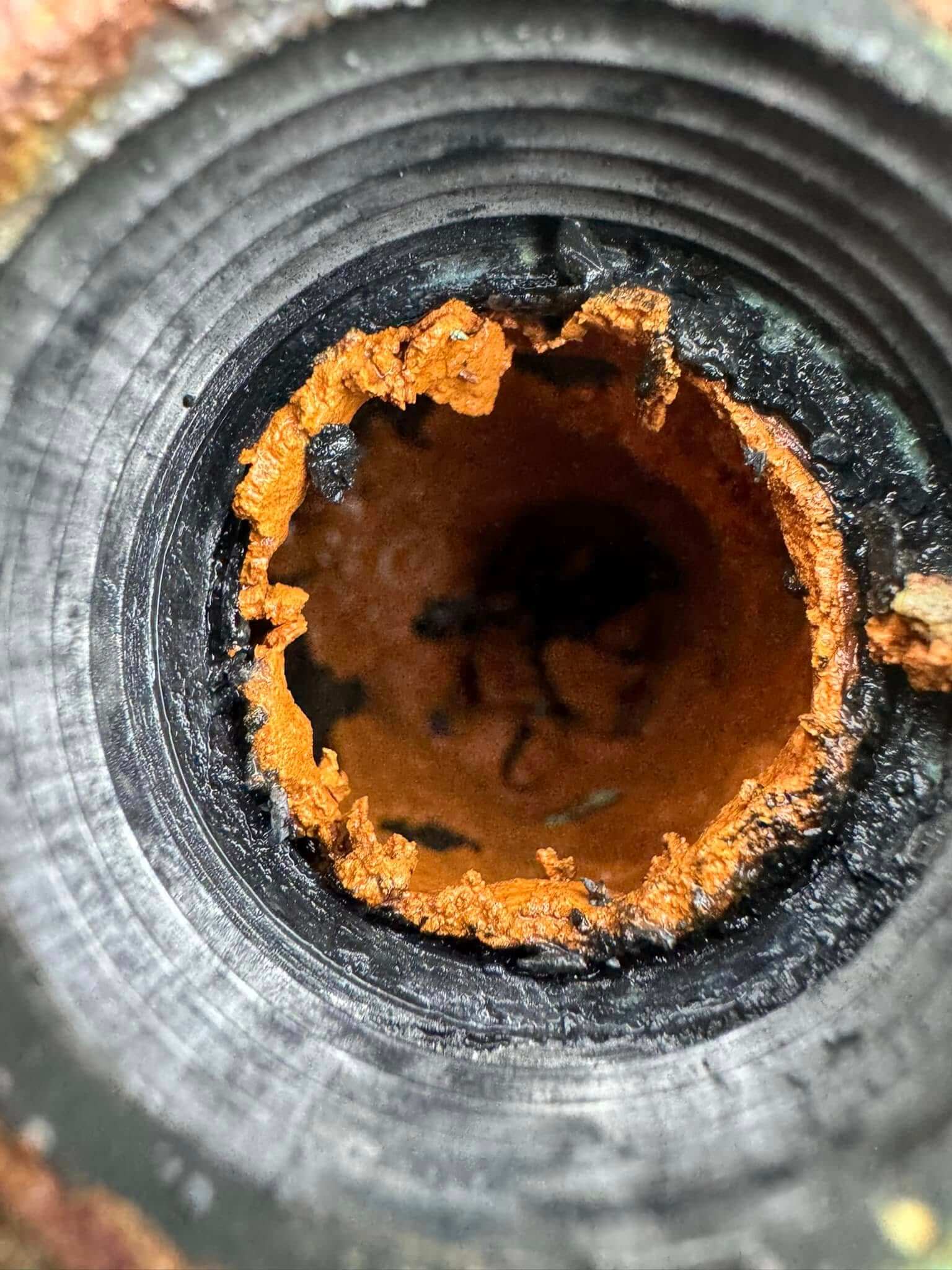
A test for well water can reveal the presence of contaminants such as bacteria, nitrates, or heavy metals that compromise safety. Professional water testing for well water identifies these hidden threats, allowing you to take action before they affect your family and household appliances.
Regular water well inspections and professional water well testing help ensure your system remains safe, clean, and compliant with recommended water quality standards.
What Does Well Water Testing Consist Of?
The well water quality testing process is not a standardized set of steps but rather a process that needs to be adapted based on your well or water source.
At 5E Pump & Well, our water well testing process begins by analyzing the environment to identify potential sources of contamination, such as farms or septic systems.
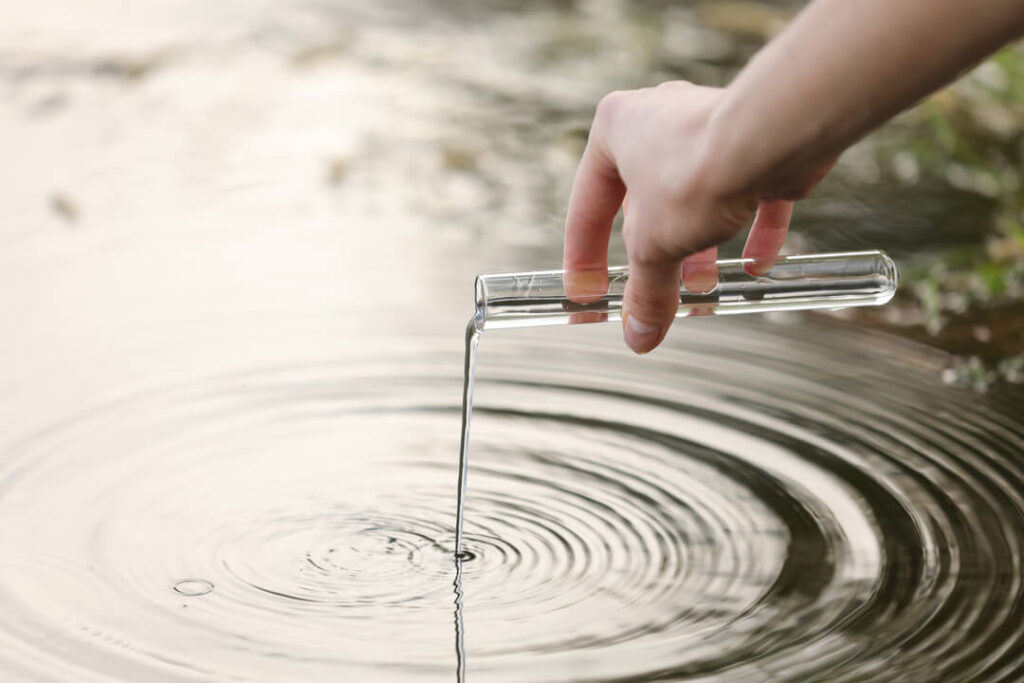
Then, we collect samples and run them through well water testing in lab installations. Our professionals break down the results to provide the most straightforward explanation, along with an accompanying action plan that may include treatment system installation and additional follow-up steps, as part of our comprehensive well water testing services.
Treatment Solutions and How to Ensure High-Quality Water
The best type of treatment for your water depends on the contaminants involved.
For bacterial contamination, shock chlorination and disinfection may be a suitable alternative. It’s recommended that you also service your filtration systems and change the filters before conducting another well water quality test to analyze its quality and composition.
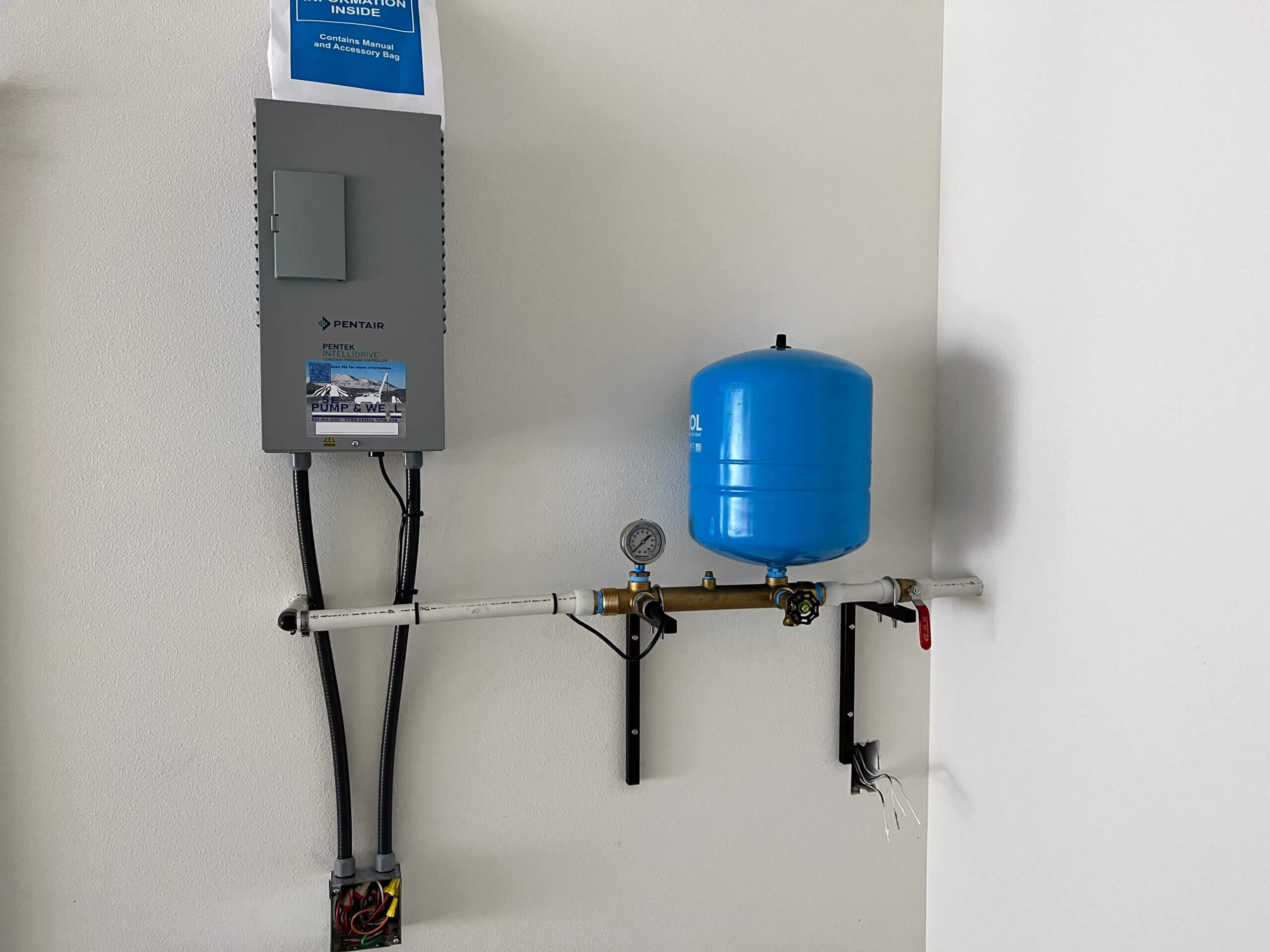
Likewise, regularly maintaining both your pumps and water filtration system can help keep the quality of your water. The best way to achieve this is through ongoing monitoring, which you can always get professional support for.
Getting the Right Water Treatment System for Your Home
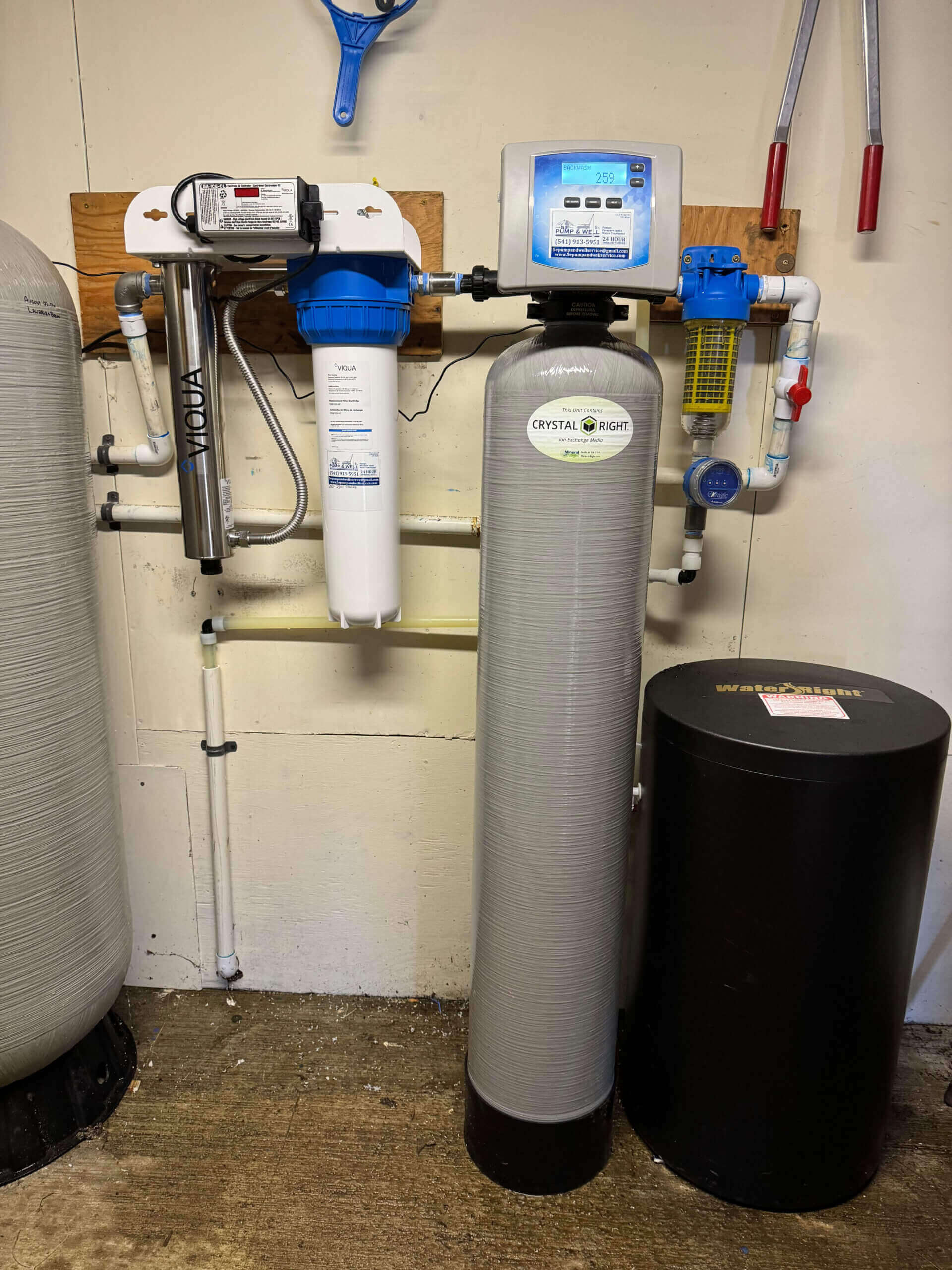
Keeping your well water quality in check is essential because it helps safeguard your home, plumbing system, filters, and the health of your household as a whole. Contaminants can pose a significant risk and cause ongoing problems, so having the right treatment system installed can help you maintain your water quality.
There are many contaminants that can threaten your freshwater supply, including microbial bacteria such as E. coli and coliform, as well as other pollutants like nitrates.
Likewise, it’s essential to test for heavy metals like arsenic, mercury, and lead, as these can enter your deposit through several means. Lastly, organic chemicals are also a dangerous source of contamination that must be addressed; therefore, analyzing your water and treating it when necessary is essential.
At 5E Pump & Well, we specialize in providing a wide range of services for your well, including well water quality testing and the installation of water treatment systems. Contact us today to learn more about getting a water quality test performed or a treatment system installed in your well.
Related Articles
How Often Should You Service Your Well Pump?
Types of Well Pumps for Your Property
When to Replace Your Water Softener or Filter System
Is Hard Water Bad for You?
Annual Well Water Inspection