
Well pump maintenance is one of those jobs homeowners tend to forget until performance starts slipping. But waiting for strange noises, pressure drops, or inconsistent water flow usually means small issues have already had time to grow into larger, more expensive repairs that affect comfort and reliability throughout the home.
A consistent checklist keeps your system running efficiently and helps you spot wear before it becomes a bigger problem. If you’re unsure how often to perform these checks, this guide on how often to service a well pump can help you build a reliable schedule. From daily observations to annual service, the right well pump maintenance routine protects water quality, supports system longevity, and reduces the likelihood of inconvenient emergency breakdowns and surprise replacement costs later on.
If you’re already noticing these symptoms, it’s worth reviewing the common signs your well pump may be failing before issues get worse.
Pump maintenance matters because small warning signs usually appear before major damage does for homeowners. With a routine schedule, you can reduce avoidable repairs and keep the entire system consistently working the way it should.
When water pump maintenance becomes part of the routine, the whole system is easier to manage. A few quick checks can reveal changes in pressure, sound, or visible condition before they affect your water supply.
Start with a simple walkaround, looking for drips, corrosion, loose fittings, unusual moisture, or anything that seems out of place.
Listen for unusual sounds, confirm steady pressure, and make sure the pump starts and stops without hesitation or strain today.
If your system requires lubrication, review levels and condition carefully, as low or dirty lubricants can quickly accelerate internal wear.
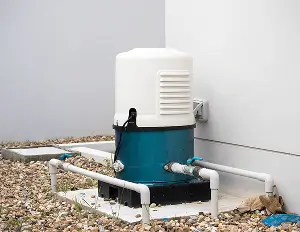
Monthly inspections give you time to catch developing problems before they start affecting performance. Consistent well water pump maintenance also makes well pump troubleshooting much faster when something changes unexpectedly at home.
Look around fittings, pipes, the pressure tank, and nearby ground for damp spots, drips, or stains that suggest leakage somewhere.
When accessible, inspect the impeller for wear, buildup, or damage that could reduce flow and make the pump strain more.
Check alignment if vibration, noise, or uneven wear appears, since even small shifts can create bigger mechanical problems over time.
Inspect seals for cracking, hardening, or moisture around protected areas, because worn seals often allow water where it should not.
Quarterly service is a good time to focus on deeper mechanical and electrical checks. These tasks help confirm the pump is stable, properly supplied, and not wearing down faster than expected. Regular reviews also make it easier to fix well pump issues before researching how to fix a well pump.
Inspect wiring, terminals, and breakers for heat damage, corrosion, or looseness, since electrical issues can quickly affect how your pump runs.
Pay attention to new vibration patterns because they often point to imbalance, misalignment, loosened parts, or wear developing inside early.
Replenish lubricants on schedule and use the proper product, because too little or too much can cause damage over time.
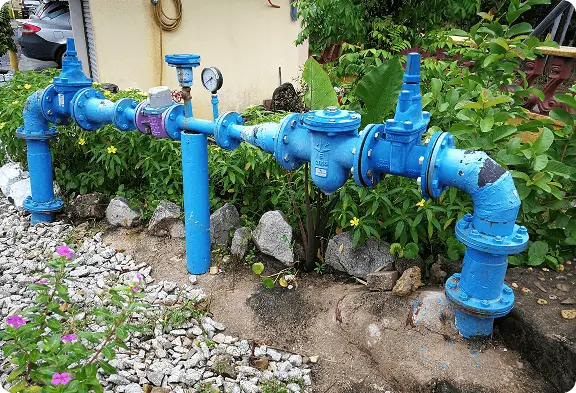
Annual tasks help uncover hidden wear, verify performance, and prepare the pump for another year of reliable use. Strong records and scheduled water pump troubleshooting also make future service decisions much more straightforward over time at home.
An internal inspection can reveal wear, mineral buildup, and damaged components that are easy to miss during exterior checks alone.
Yearly balancing and alignment help reduce vibration, protect bearings, and keep the pump operating efficiently under normal demand all year.
Test pressure, flow, and cycling performance, then update service records so future maintenance decisions are based on clear history data.
Jet Pump Installation & Repair
A strong maintenance plan does more than prevent breakdowns—it keeps your water pressure consistent, protects your system, and helps you avoid expensive repairs down the line.
If you’ve noticed changes in pressure, unusual noises, or it’s simply been a while since your last inspection, it may be time to take a closer look.
A professional check can catch small issues before they turn into major problems. At 5E Pump and Well Service, we help homeowners keep their systems running reliably year-round with thorough inspections and preventative maintenance. Learn more about our well pump installation and repair services to keep your system running reliably year-round.
If you want peace of mind and fewer unexpected breakdowns, schedule your well pump inspection today.


